Why Some Fruits Taste Sweeter at Night Than in the Morning
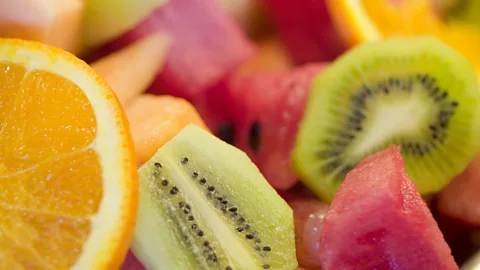
Many people notice an interesting phenomenon when eating fruit at different times of the day. A fruit that tastes mildly sweet in the morning can sometimes taste noticeably sweeter at night. This is not just imagination. Several scientific factors influence how sweetness is perceived, including natural sugar concentration, temperature, ripening processes, and even the way our senses respond to food throughout the day.
Understanding why some fruits taste sweeter at night than in the morning can help explain how fruit chemistry and human biology work together to shape flavor perception.
How Fruit Sugar Works
The sweetness of fruit mainly comes from natural sugars such as fructose, glucose, and sucrose. These sugars are produced during the ripening process when enzymes break down stored starches inside the fruit.
As fruits ripen, their starch content decreases and sugar content increases. This is why ripe fruits taste sweeter than unripe ones.
However, sugar levels inside fruit do not remain completely constant throughout the day. Environmental conditions and biological processes can slightly influence how sweet a fruit tastes.
The Role of Temperature in Sweetness Perception
One of the main reasons fruits may taste sweeter at night is temperature.
During the day, especially in warmer environments, fruits can become slightly dehydrated or lose some volatile flavor compounds. When fruits are stored indoors or refrigerated and then eaten later in the evening, cooler temperatures can enhance sweetness perception.
Cold temperatures often make sugars taste more concentrated. This is why chilled fruits such as grapes, mangoes, and melons sometimes taste sweeter at night when served cool.
Fruit Ripening Continues Throughout the Day
Many fruits continue to ripen after they are harvested. This process is known as post harvest ripening.
Fruits like bananas, mangoes, papayas, and pears produce a natural plant hormone called ethylene. Ethylene triggers enzymatic reactions that convert starch into sugar.
If fruit is picked during the day and eaten later in the evening, a few extra hours of ripening may slightly increase its sweetness.
Even small biochemical changes during these hours can affect taste perception.

Human Taste Sensitivity Changes During the Day
Another reason fruits may taste sweeter at night relates to human taste sensitivity.
Our sensory system does not respond to flavors in exactly the same way throughout the day. Circadian rhythms influence how taste receptors react to sweet, salty, and bitter flavors.
Some research suggests that the human body may become more sensitive to sweetness during evening hours. When sweetness sensitivity increases, fruits naturally taste sweeter even if the sugar content remains the same.
This shift in taste perception is part of the body’s internal biological rhythm.
The Influence of Hunger and Food Timing
Hunger levels can also affect how sweet food tastes.
When people eat fruit at night, they may have gone several hours since their last meal. Increased hunger can enhance flavor perception, making foods taste more intense and satisfying.
In contrast, fruits eaten in the morning may follow breakfast or other foods, which can reduce sensitivity to sweetness.
Therefore, the timing of meals and appetite levels can influence how fruit flavors are experienced.
Aroma Compounds That Develop Over Time
Sweetness is not determined by sugar alone. Aroma compounds in fruit strongly influence flavor perception.
These volatile compounds continue developing as fruits sit at room temperature. Over time, the fruit releases stronger aromas that enhance perceived sweetness.
For example:
Mangoes develop stronger tropical aromas
Strawberries release fragrant esters
Peaches produce floral scent compounds
These aromas interact with taste receptors and make fruits seem sweeter than they actually are.
The Effect of Light Exposure on Fruit Sugar Production
Fruits that remain attached to plants during the day undergo photosynthesis. During this process, plants produce glucose from sunlight, which is then stored in fruits.
In some cases, fruits harvested later in the day may contain slightly higher sugar concentrations than those harvested early in the morning.
Farmers sometimes notice that certain fruits picked in the afternoon taste sweeter because they have accumulated more sugar from daytime photosynthesis.
Examples of Fruits That Taste Sweeter Later in the Day
Certain fruits commonly display stronger sweetness later in the day.
Examples include:
Bananas
Mangoes
Grapes
Pineapples
Papayas
Peaches
Watermelon
These fruits contain natural sugars that become more noticeable due to ripening, aroma development, and temperature changes.
Best Time to Eat Fruit for Flavor
Although fruits can taste sweeter at night, the best time to eat fruit depends on personal dietary goals.
Morning fruit consumption can provide natural energy and vitamins to start the day. Evening fruit snacks can satisfy sweet cravings without relying on processed desserts.
Choosing ripe fruits and storing them properly usually has a greater impact on flavor than the time of day.
Tips to Maximize Fruit Sweetness
If you want fruits to taste sweeter and more flavorful, consider the following tips.
Choose fully ripe fruits with natural aroma and color.
Store fruits at the appropriate temperature. Some fruits develop better flavor at room temperature before refrigeration.
Allow fruits such as bananas, mangoes, and pears to ripen naturally before eating.
Serve fruits slightly chilled to enhance sweetness perception.
These simple steps can improve the overall fruit eating experience.
The Science Behind Sweet Flavor Perception
Flavor perception involves multiple senses working together.
Taste receptors detect sugar molecules on the tongue, while aroma compounds stimulate smell receptors in the nose. Temperature and texture also influence how sweetness is perceived.
Because these factors change throughout the day, fruit sweetness may feel different depending on when it is eaten.
Conclusion
The reason some fruits taste sweeter at night than in the morning comes from a combination of science and human perception. Factors such as ripening, aroma development, temperature, hunger levels, and circadian rhythms all influence how sweetness is experienced.
Although the actual sugar content may not change dramatically within a single day, the way our senses interpret flavor can vary significantly.
By understanding these natural processes, fruit lovers can appreciate how timing, storage, and ripeness contribute to the delicious sweetness of fresh fruit.