Balancing Hygiene and Workflow in Modern Sustainable Food Manufacturing Plants
A single lapse in hygiene can shutter a food manufacturing plant overnight, but a workflow bottleneck can quietly undermine profitability for months. The tension between these two imperatives, uncompromising hygiene and maximized efficiency, lies at the heart of modern sustainable food production. True progress means finding an equilibrium that protects consumers, preserves brand integrity, and keeps the lights on.
Hygiene Imperatives in Modern Food Manufacturing
Food safety scandals make headlines for a reason. Regulatory bodies like the FDA and CFIA maintain stringent hygiene standards, shaping everything from the placement of handwashing stations to the materials specified for walls and floors. These standards are not just bureaucratic hurdles; they are the backbone of consumer trust and public health.
Hygiene is not only about passing inspections. One contaminated batch can devastate years of brand-building. Companies invest in specialized cleaning regimens, antimicrobial coatings, and even air filtration systems to keep pathogens at bay. Yet, the drive toward sustainability introduces new layers of complexity.
Hygiene Challenges Unique to Sustainable Practices
Sustainable food plants often favor materials and systems that reduce environmental impact. Water reuse, energy recovery, and renewable materials all play a role. However, some eco-friendly materials may be less resistant to harsh sanitizers, and water-saving equipment can complicate effective cleaning. This delicate balance requires innovative thinking to ensure green choices do not undermine food safety.
Workflow Efficiency in Sustainable Food Plants
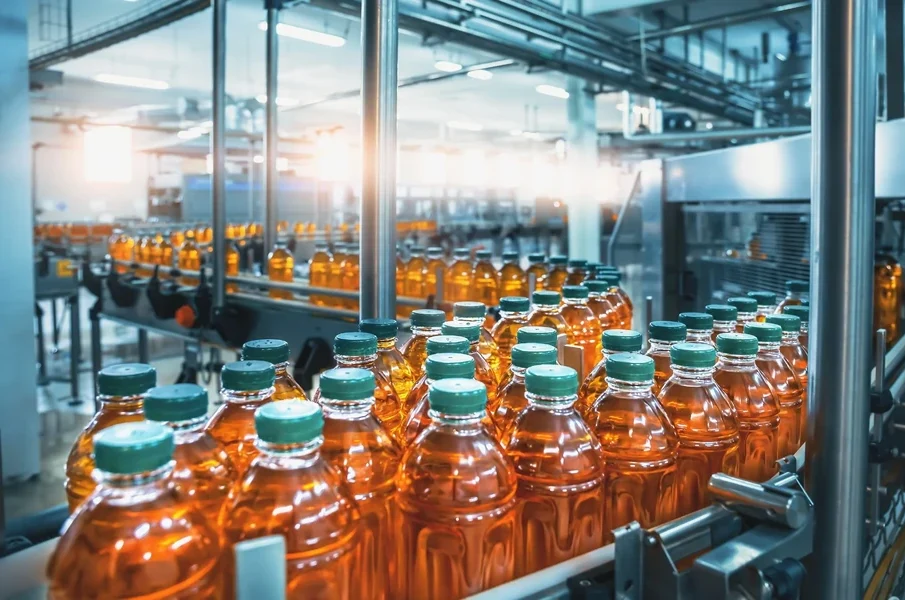
Efficiency is the lifeblood of any manufacturing facility. In food plants, it’s more than just speed; it’s about moving products smoothly while avoiding contamination. Process engineers strive to streamline production lines, often turning to automation to shoulder repetitive tasks.
The challenge? Speeding up output can never come at the cost of sanitation. For example, at Canada Bread Québec, layout redesigns have allowed for faster packaging and reduced manual handling, all while creating physical separation between clean and unclean zones. Automation has further minimized cross-contact risks without sidelining human oversight.
Architectural Solutions Balancing Hygiene and Workflow
Great plant architecture is invisible, except when things go wrong. The true test lies in how a facility supports both rigorous sanitation and streamlined movement.
Layout Strategies Minimizing Cross-Contamination
Modern layouts prioritize direct, unidirectional flows for both raw ingredients and personnel to prevent cross-contamination. Corridors are strategically separated, with designated entrances and exits for raw and finished goods.
Material Choices Supporting Cleanability and Sustainability
Designers opt for seamless, non-porous surfaces, but they’re also moving toward recyclable and renewable materials where possible. At Maple Leaf Winnipeg, innovative wall panels combine easy-clean surfaces with eco-friendly cores, reducing both water usage and environmental footprint.
Sustainable Hygiene Technologies
Technology has become a crucial ally in this balancing act. Water and energy-efficient cleaning systems are replacing traditional, resource-intensive washdowns. Plants now deploy CIP (Clean-in-Place) systems that minimize both downtime and resource waste.
Antimicrobial surfaces and coatings further reduce pathogen survival between cleanings. Cargill’s advanced sanitation program, for instance, leverages real-time sensors and low-water cleaning agents to ensure both safety and sustainability.
Managing Personnel and Hygiene Protocols
People are central to both workflow and sanitation. Staff training programs now focus as much on efficient movement as they do on hygiene protocols. Color-coded PPE, timed shifts, and clear signage all help manage traffic flow while minimizing risk.
At Élevages Périgord, a comprehensive workforce hygiene strategy ensures every employee understands the critical links between their actions and food safety, reinforced by ongoing education and smart facility design.
Monitoring and Continuous Improvement
Continuous monitoring is the norm, not the exception. Plants combine hygiene audits with workflow performance metrics to identify weaknesses before they become crises.
Data-driven approaches have transformed maintenance and sanitation schedules from static checklists to responsive systems. At Canada Bread Moncton, real-time monitoring tools deliver alerts before problems escalate, enabling predictive interventions.
Environmental and Economic Benefits of Balanced Design
Efficiency and hygiene are not trade-offs, but mutual amplifiers. Well-designed protocols reduce waste, cut resource consumption, and lower operational costs over time. For example, TAS and Marvid plants have reported significant water and energy savings after integrating workflow-hygiene optimizations, proving that sustainable choices can drive both environmental and economic gains.
Future Trends in Sustainable Food Manufacturing Hygiene
Emerging technologies, like AI-powered cleaning robots and next-generation antimicrobial materials, promise to further close the gap between hygiene and efficiency. Regulatory and consumer expectations are only rising, pushing plants to adopt designs that are flexible, data-rich, and future-ready.
Visionaries in the field, such as Stendel + Reich manufacturing plant architect, are constantly redefining what is possible in plant design, blending operational excellence with rigorous food safety and sustainability. As innovation accelerates and the stakes grow higher, the plants that master this balance will set the standard for the industry’s next decade.