What Is Your Plumbing Problem Really Telling You?
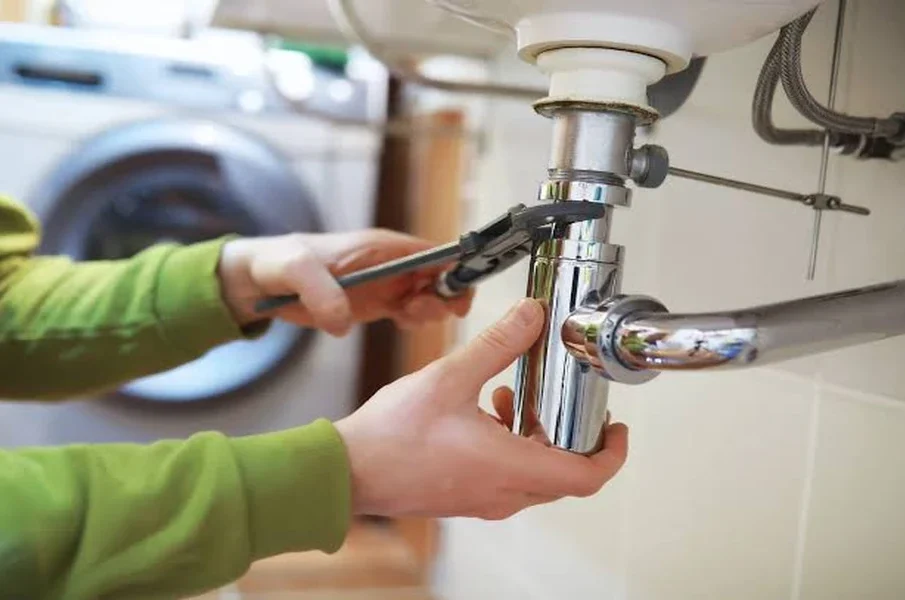
Plumbing symptoms in San Antonio are often misleading because several local conditions can produce similar warning signs. Low water pressure may come from mineral buildup, a hidden leak, or a supply issue. Warm flooring can point toward a hot-water slab leak, while unusually high water bills may indicate anything from a running toilet to a buried yard leak. San Antonio Water System reports that local water typically measures about 15 to 20 grains per gallon in hardness, largely because groundwater picks up calcium and magnesium from regional aquifers. That level is high enough to make mineral scale an important part of routine plumbing diagnosis.
For homeowners who need a San Antonio plumber, Green Ridge Services works throughout Bexar County and the Schertz Metroplex, with additional service in communities such as Alamo Heights, Cibolo, Converse, Garden Ridge, Live Oak, New Braunfels, Universal City, and Windcrest. Its plumbing work includes drain cleaning and hydro jetting, slab leak repair, sewer work, water heaters, water softeners, leak repair, emergency service, and licensed commercial plumbing. The useful starting point is to match the symptom to the most likely system failure before deciding whether the job needs cleaning, repair, replacement, or leak testing.
When Water Pressure Slowly Gets Worse
Symptom. Faucets and showers still work, but flow has become noticeably weaker over several months.
Likely cause. Gradual pressure loss often points toward mineral accumulation rather than a sudden pipe break. San Antonio’s hard water can leave calcium carbonate deposits in aerators, showerheads, valves, water heaters, and sections of household piping.
Check first. Remove and inspect faucet aerators. If one fixture improves after cleaning while others remain weak, the problem may be localized.
Look deeper. If hot-water pressure is worse than cold-water pressure, sediment or scale in the water heater becomes more likely. SAWS specifically notes that hard-water sediment can accumulate in water heaters and recommends periodic flushing when calcium carbonate is present.
Repair path. Fixture cleaning may solve minor restriction. Widespread scaling can justify water-softener evaluation or investigation of older piping.
When the Water Bill Jumps Without an Obvious Leak
Symptom. Water use rises sharply even though household routines have not changed.
Likely cause. Hidden leakage deserves attention, especially in homes built on slab foundations. Water lines may pass beneath or through the slab, so a leak can continue without producing an obvious puddle.
Check first. Shut off fixtures and appliances that use water, then watch the water meter. Movement while everything is off can indicate an active leak.
Listen and feel. Warm flooring may suggest a leak in a hot-water line. Hissing near walls or floors, damp baseboards, unexplained mildew, or localized flooring changes can also provide clues.
Consider the soil. San Antonio and surrounding parts of Texas contain substantial clay soils. Clay changes volume as moisture conditions change, creating movement that can place stress on slabs and buried utilities. Texas A&M AgriLife notes that heavy clay soils retain significant water and behave very differently from sandy soils.
Repair path. Leak location should come before demolition. Pressure testing, acoustic detection, thermal tools, or other diagnostic methods can help determine whether the problem is under the slab, inside a wall, or in the yard.
When a Drain Keeps Coming Back Slow
Symptom. A sink, shower, or floor drain clears temporarily but slows again soon afterward.
Likely cause. Recurring blockage usually means the obstruction was not fully removed, or the problem lies farther downstream than the affected fixture.
Single fixture versus multiple fixtures. One slow bathroom sink often points toward a local trap or branch-line problem. Several fixtures backing up together can indicate a main sewer restriction.
Soft blockage versus hard obstruction. Grease, soap residue, sludge, and some organic buildup can sometimes be removed thoroughly with hydro jetting. Tree roots, broken pipe, offset joints, or collapsed sewer sections call for a different solution.
Repair path. Repeatedly using basic drain chemicals without identifying the cause can delay a proper repair. Camera inspection becomes more useful when the same stoppage repeatedly returns or when several drains are affected simultaneously.
When the Water Heater Makes Noise or Runs Out Quickly
Symptom. Hot water does not last as long, recovery takes longer, or the tank pops and rumbles while heating.
Likely cause. Sediment accumulation is a major suspect in San Antonio because hard water deposits minerals as water is heated. Scale can settle near heating elements or the burner area and reduce efficiency.
Electric versus gas. Electric heaters may suffer from scale around heating elements, while gas units can accumulate sediment at the bottom of the tank above the burner chamber.
Noise versus failure. Popping does not automatically mean immediate tank replacement, but it can signal that water is boiling beneath or around sediment deposits.
Repair path. Flushing may help when the tank is otherwise sound. A leaking tank, severe corrosion, repeated component failures, or advanced age may shift the decision toward replacement.
San Antonio permits also matter here. The city allows licensed contractors to use a Limited Service Repair process for water-heater replacement, meaning urgent replacement can be completed first and the formal permit filed within three business days.
When Toilets Gurgle as Other Fixtures Drain
Symptom. A toilet bubbles when a washing machine empties or when another fixture drains.
Likely cause. The drainage system may be struggling to move both wastewater and air correctly. A partial main-line blockage is one possibility.
Local clog versus sewer problem. A single slow toilet may have a fixture-specific obstruction. Gurgling across multiple fixtures suggests the diagnosis should move farther downstream.
Watch the lowest drain. Showers and floor drains on the lowest level often show sewage backup before higher fixtures because wastewater seeks the lowest available opening.
Repair path. Main-line cleaning can remove buildup, but recurring backups justify camera inspection to look for roots, damaged pipe, joint separation, or other structural defects.
When Water Appears in the Yard
Symptom. One patch of soil stays wet even during dry weather, or grass grows unusually green over a narrow area.
Likely cause. A buried water-service line or sewer line may be leaking.
Pressurized water versus sewer leakage. A water-supply leak usually runs continuously while the service is pressurized. Sewer leaks tend to correspond more closely with fixture use.
Soil movement matters. Expansive clay can place stress on underground lines as wet and dry cycles change soil volume. Long dry periods followed by heavy rain can produce meaningful ground movement around buried infrastructure.
Repair path. Accurate location reduces unnecessary excavation. If the line crosses a sidewalk, street, or public right of way, additional local requirements may apply.
San Antonio requires permits for plumbing work based on project scope, and licensed trade contractors registered with the city can obtain plumbing permits for homeowners. The city adopted the 2024 International Plumbing Code in 2025, while its residential permitting rules require licensed trade contractors for new plumbing work unless a qualifying homestead owner personally performs permitted work.
When Pipes Act Differently After a Freeze
Symptom. Water flow stops during freezing weather and leaks appear after temperatures rise.
Likely cause. Water expands when frozen, which can split piping or damage fittings. The leak may remain hidden until the ice thaws.
No flow versus burst pipe. A frozen section does not always rupture, but a pipe that regains flow should still be watched closely for leakage afterward.
Exterior exposure versus interior exposure. Hose bibs, pipes in garages, exterior walls, attics, and poorly insulated areas generally face greater freeze risk than piping surrounded by conditioned air.
Repair path. Active leakage requires shutting off the water supply quickly. Once pressure is controlled, the damaged section can be located and repaired before water affects drywall, flooring, cabinetry, or the slab.
San Antonio’s plumbing problems make more sense when symptoms are treated as clues rather than diagnoses. Hard water explains many gradual performance changes. Slab and yard leaks can hide for long periods. Drain backups may be cleaning problems or evidence of damaged sewer lines. Water-heater noise may signal scale rather than immediate mechanical failure.
The most effective diagnosis therefore asks three things: whether the symptom is isolated or widespread, whether it appeared suddenly or developed gradually, and whether local conditions such as hard water, soil movement, or freezing weather could be contributing. Those distinctions usually narrow the repair options faster than replacing the first component that appears suspicious.