The Key Elements That Define Effective Traffic Control Plans for Urban Areas
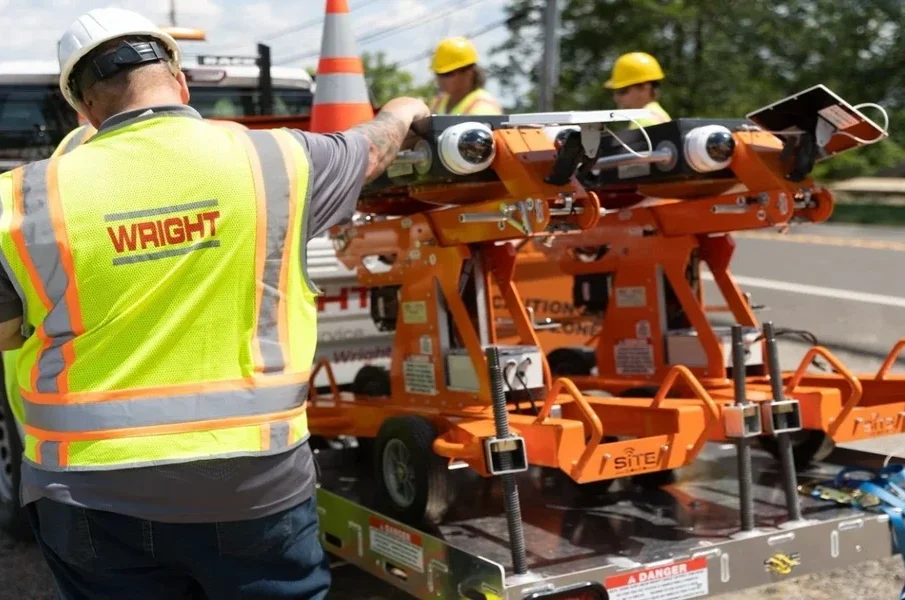
Gridlock at rush hour, construction zones stretching for blocks, and the ever-present hum of city life, urban traffic control is anything but simple. In cities like Toronto, the difference between chaos and careful coordination often comes down to the quality of a traffic control plan. But what separates an effective plan from one that leaves drivers, pedestrians, and workers frustrated or, worse, at risk?
Understanding Traffic Control Plans in Urban Environments
Traffic control plans are more than a set of signs and cones. At their core, these plans are strategic blueprints that map out how vehicles, cyclists, and pedestrians will safely navigate through or around work zones, utility projects, or special events. Why are these plans so critical? Urban streets are tightly packed with competing demands, limited right-of-way, and high stakes for public safety and mobility.
Unique Challenges of Urban Traffic Management
Unlike rural or suburban settings, urban areas must contend with dense traffic volumes, unpredictable pedestrian flows, public transit routes, and business continuity needs. Every decision, whether to close a lane or redirect a bus, ripples through the entire network. Add in emergency access requirements and the need for 24/7 responsiveness, and the complexity multiplies.
Core Elements of Effective Traffic Control Plans
A robust traffic control plan for city environments hinges on several core elements, each working together to create order from potential disorder.
Compliance with Regulatory Standards (OTM Book 7, OHSA)
In Ontario, the framework starts with the Ontario Traffic Manual Book 7 (OTM Book 7) and the Occupational Health and Safety Act (OHSA). These standards dictate signage, barrier placement, worker protocols, and documentation requirements. Compliance is not optional; it is the foundation of safety and legal protection for all parties.
Safety-First Approach: Protecting Workers and the Public
Every cone, sign, and flagger exists to keep people safe. This mindset drives not just the design of the plan but its daily execution. Effective plans prioritize visibility, clear detour routes, and buffer zones to protect road workers and minimize confusion for the public.
Integration of Traffic Management Operations and Equipment
Top-performing plans leverage a full suite of operational resources: dedicated crews, modern equipment, and real-time supervision. Coordination among teams, up-to-date training, and rapid response to changing site conditions are hallmarks of effective urban traffic management.
Case Study 1: Managing Construction Zones in Downtown Toronto
Picture a major watermain replacement along Queen Street. The project faced heavy pedestrian activity, two busy streetcar lines, and no easy parallel route for diverted traffic.
Implemented Traffic Control Strategies
The project team developed a phased closure schedule, ensuring at least one lane remained open for essential access. Transit authorities were consulted to reroute streetcars, and additional signage guided both drivers and foot traffic safely through the maze.
Outcomes and Lessons Learned
Delays were minimized, worker incidents were avoided, and local businesses maintained delivery access throughout the project. The key takeaway? Proactive communication with stakeholders and dynamic plan adjustments proved essential for success.
Case Study 2: Utility Maintenance and Traffic Flow in a Busy Urban Corridor
In another scenario, emergency repairs to underground utilities threatened to disrupt a key arterial road during peak hours.
Customized Traffic Control Solutions
Rather than a full closure, a partial lane shift and temporary signals were deployed. Crews worked overnight to avoid the heaviest traffic, and digital message boards kept commuters informed in real time.
Measuring Success: Safety and Efficiency Metrics
No recordable safety incidents occurred, and average vehicle delay was cut by half compared to previous similar projects. A strong commitment to both planning and flexibility paid off.
Leveraging Technology and Equipment in Traffic Control
Urban traffic control increasingly relies on innovation.
Modern Fleet and Scalable Operations for Urban Projects
A modern fleet of vehicles, message boards, and barriers allows for rapid deployment and scalability as project scopes shift.
Innovative Pavement Markings and Signage Solutions
Durable, highly visible markings and digital signs adapt to changing needs, whether for a pop-up festival or a multi-month construction project.
Equipment Rentals and Their Role in Dynamic Traffic Control
Not every project justifies permanent investments. Renting equipment ensures access to the latest technology and the ability to scale up or down as needed.
The Role of Project Management and Supervision
Dedicated oversight keeps complex urban operations running smoothly.
Emergency Response Capabilities in Urban Settings
When an incident arises, a water main break, for instance, a team’s ability to mobilize and adapt rapidly keeps disruptions to a minimum and ensures public safety.
Building a Culture of Safety and Compliance
Training, certification, and meticulous site documentation are non-negotiables. Workers need to be fully versed in OTM Book 7 standards, and job hazard awareness must be embedded into daily routines.
Future Trends and Innovations in Urban Traffic Control
As cities grow, so do the demands on traffic planners.
Smart Traffic Management Systems
Real-time data and adaptive signal technology are already transforming how cities manage congestion and emergencies.
Sustainable Practices in Traffic Control Planning
Eco-friendly materials, low-energy lighting, and plans minimizing carbon impacts are becoming standard best practices.
Preparing for Increased Urbanization and Infrastructure Growth
With more people and projects competing for space, flexible, forward-thinking planning, and trusted partners like Salus Traffic Control, will shape the future of safe, efficient city streets. Ultimately, the cities that get this right will be the ones where mobility, safety, and progress move forward together.