The Hidden Cost of Waiting Too Long to Replace an Aging Water Heater
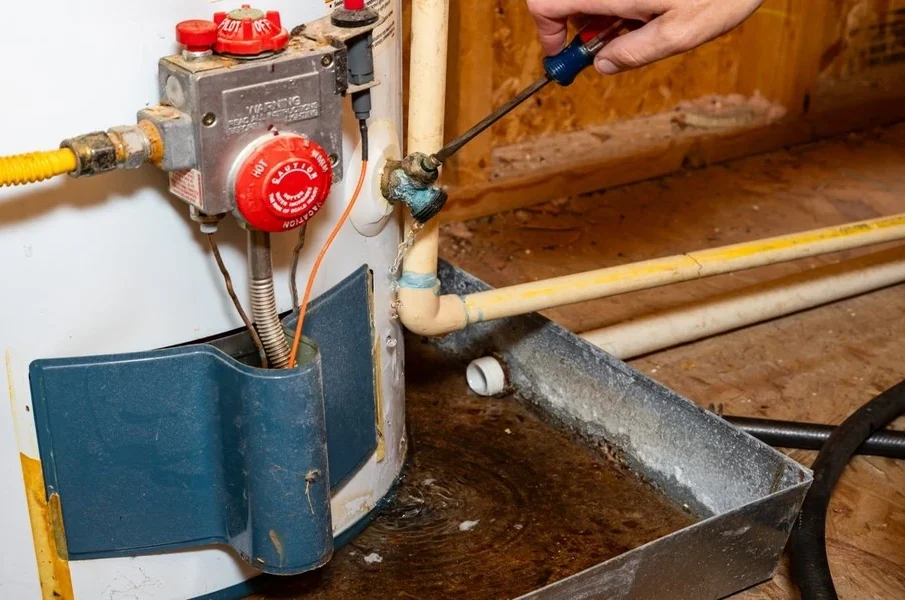
It is rare for a water heater to fail suddenly. Signs like small leaks, uneven temperatures of water coming out of faucets, unusual sounds, and high energy costs may be evident even before the failure of the appliance. People often choose not to do anything because their water heaters still heat water properly.
Aging equipment places extra strain on household systems and can affect daily comfort in subtle ways. Understanding the real cost of postponing water heater replacement can help homeowners make informed decisions before a minor concern turns into a major problem.
Rising Energy Bills Can Add Up Quickly
The aged water heater would require greater effort to match the earlier output of efficiency that it offered. The formation of sediment at the bottom of the water tank results in inefficiency and requires extra energy consumption in order to heat up the water tank. The owner might think that the high utility charges are a result of seasonality or other factors. This may actually be a result of the water heater. The installation of an efficient water heater may assist in saving energy and money.
Small Leaks Can Become Expensive Repairs
A small leakage near the bottom part of the water heater is something that is easily overlooked. However, such a small amount of water may, after some time, cause severe damage not only to the floors but also to the walls, the baseboard, and the items in the surroundings. The cost of repair due to water damage is often much higher than the cost required for handling the problem at the water heater itself.
Hot Water Problems Affect Everyday Routines
Hot water is essential for several daily chores within a house. All tasks such as bathing, washing clothes, doing dishes, and other forms of cleaning rely on the water heater working effectively. Over time, water heaters tend to experience inefficiency, which leads to many inconveniences. Users will find themselves experiencing fluctuations in temperature that occur unexpectedly. Also, one may realize that there isn’t enough hot water available when the demand rises during early mornings.
Emergency Breakdowns Create Unexpected Stress
A water heater rarely chooses a convenient time to stop working. Failures commonly occur during periods of heavy demand when the system faces additional strain. A sudden loss of hot water can disrupt household schedules and create urgency. Emergency service calls may involve higher costs than planned replacements. Homeowners also face limited time to compare equipment options or evaluate installation choices. Early planning provides greater control over both budget and decision-making.
Aging Components Increase Safety Concerns
Water heaters contain several components that experience wear after years of operation. Pressure relief valves, heating elements, gas connections, and internal tank materials can deteriorate over time. As parts age, the risk of malfunctions increases. Professional inspections can identify concerns before they become serious. Replacing an older system at the appropriate time supports safer operation and reduces the chance of unexpected issues that could affect the household.
Property Value Can Be Affected by Outdated Equipment
Purchasers often focus on the most important systems in a house when considering their purchase. The possibility of increased costs associated with an old water heater becomes a matter of concern for buyers. Reports about the inspection can point out the systems that have outlived their usefulness. Modernized systems indicate that a house has been well-maintained. It can be seen by potential buyers as an advantage since there will be less work on repairs right away after the purchase.
Delayed Decisions Can Limit Replacement Choices
Homeowners who plan ahead usually have more flexibility when selecting a new water heater. They can compare tank sizes, efficiency ratings, features, and fuel types without pressure. This process supports better long-term decisions. A complete failure leaves little time for research. Under those circumstances, homeowners may select the first available option simply to restore hot water. Early water heater replacement allows for careful evaluation of solutions that best match household needs.
Features Worth Comparing Before Choosing a New Unit
When replacement becomes necessary, several features deserve attention:
- Tank size that matches household demand
- Energy efficiency ratings and operating costs
- Recovery rate for busy households
- Warranty coverage and manufacturer support
- Smart monitoring features for leak detection
- Tankless options for space savings
- Installation requirements and future maintenance needs
The careful analysis of the above-mentioned aspects can be beneficial for those homeowners who want to make wise choices in favor of their comfort, effectiveness, and cost savings.
An aging water heater can affect more than hot water availability. High electricity bills, risk of home damage, need for unexpected repairs, and discomfort for family members are among the hidden costs of procrastination. In this case, owners should identify some symptoms to prevent further financial losses.