Why Some Cars Feel Faster at Night Even When They Aren’t
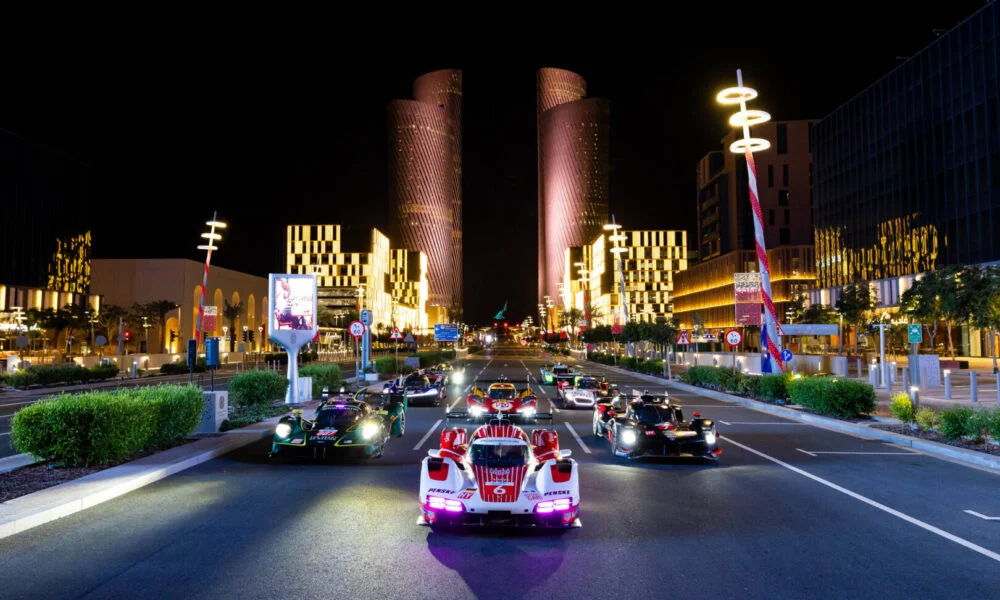
Many drivers experience a strange feeling while driving at night. A car moving at the same speed as during the day may suddenly feel much faster after sunset. Even when the speedometer shows the same number, the driving experience can feel very different.
This phenomenon is not caused by the car itself. Instead, it is influenced by how the human brain interprets speed, motion, lighting, and environmental cues. Understanding why cars feel faster at night can help drivers stay safer on the road and become more aware of how perception affects driving behavior.
How Human Speed Perception Works
When people drive, they rarely rely only on the speedometer to judge speed. Instead, the brain constantly processes visual signals from the surrounding environment. These signals include moving objects, roadside details, lighting, and the distance between vehicles.
During daytime driving, the brain receives many visual references such as buildings, trees, pedestrians, and road markings. These details help the brain estimate how fast the car is moving.
At night, however, many of these visual cues disappear. With fewer reference points available, the brain may interpret motion differently, making the same speed feel faster.
Reduced Visual Reference Points at Night
One of the main reasons cars feel faster at night is the lack of visible surroundings.
During daylight hours, drivers see many environmental elements, including houses, road signs, sidewalks, and landscape details. These elements move across the driver’s field of vision and help create a sense of speed.
At night, most of these objects become harder to see. Darkness reduces the number of visual signals the brain can use to judge motion. As a result, even moderate speeds may feel unusually fast.
This effect becomes even stronger on highways or rural roads where lighting is limited.

Headlights and Tunnel Vision Effect
Headlights illuminate only a small portion of the road ahead. Everything outside the beam of the headlights remains dark, creating a narrow visual corridor.
This limited field of vision produces what experts often call a “tunnel vision” effect. Drivers focus only on the bright area directly in front of the car while the surrounding darkness removes peripheral visual information.
Because the visible space is smaller, the brain may interpret movement within this narrow zone as faster than it actually is.
Contrast Between Light and Darkness
Another factor influencing speed perception at night is contrast.
The bright headlights against dark surroundings create strong visual contrast. When illuminated road markings, reflective signs, or lane lines pass through the headlights, they appear to move quickly through the field of view.
This high contrast movement can make the car feel faster than it really is.
In daytime conditions, contrast between objects is usually softer because natural light evenly illuminates the environment.
Psychological Factors Affecting Night Driving
Human psychology also plays a role in how speed is perceived after dark.
Many drivers naturally become more alert at night due to lower visibility and increased caution. This heightened awareness can make drivers more sensitive to movement and changes in speed.
Additionally, nighttime driving often involves quieter roads with less traffic. Without surrounding vehicles moving at similar speeds, drivers may rely more on internal perception rather than external comparisons.
Peripheral Vision and Motion Sensitivity
Peripheral vision is an important part of how humans perceive speed.
During daytime driving, objects moving past the sides of the vehicle help the brain calculate speed accurately. Trees, buildings, and other vehicles provide constant motion cues.
At night, peripheral vision becomes less effective because the sides of the road are poorly lit. Without these signals, the brain may misjudge the speed of the vehicle.
This reduced peripheral awareness can make the driving experience feel more intense.
Road Lighting and Reflective Surfaces
Modern roads often include reflective paint, lane markers, and signs designed to improve night visibility.
When headlights illuminate these reflective elements, they appear to flash by quickly. The rapid movement of bright reflective surfaces can exaggerate the sensation of speed.
For example, lane markings on highways can create a rhythmic pattern as they pass beneath the car. This visual rhythm can enhance the feeling that the vehicle is moving faster.
Sound Perception During Night Driving
Sound can also influence the perception of speed.
At night, traffic noise often decreases because fewer vehicles are on the road. The quieter environment makes engine noise, wind resistance, and tire sounds more noticeable.
When drivers hear these sounds more clearly, the brain may interpret them as signs of increased speed even if the car is moving at the same pace as during the day.
The Role of Eye Fatigue
Night driving can also cause eye strain and fatigue. The eyes must constantly adjust to bright headlights, reflective surfaces, and dark surroundings.
These visual adjustments require more effort than daytime driving. As a result, drivers may feel that the car is moving faster because their visual system is working harder to process information.
Eye fatigue can also reduce depth perception and make it harder to judge distances accurately.
Why Night Driving Requires Extra Attention
Because speed perception can be distorted at night, drivers should rely more on their speedometer rather than personal feelings about speed.
Some drivers may slow down unnecessarily because the car feels faster. Others may accidentally speed if they misinterpret road conditions.
Understanding how perception changes at night helps drivers maintain better control and safer driving habits.
Tips for Safer Night Driving
Drivers can improve safety during nighttime travel by following a few simple practices.
Maintain a safe speed that matches road conditions and visibility. Always check the speedometer rather than relying on how fast the car feels.
Keep headlights clean and properly aligned to maximize visibility.
Reduce distractions and stay focused on the road ahead.
Take regular breaks during long night drives to avoid fatigue.
These steps help compensate for the visual and psychological changes that occur after dark.
Why This Phenomenon Is Normal
Feeling that a car moves faster at night is a normal human experience. It does not mean that the vehicle itself is behaving differently.
Instead, the change occurs because the brain processes visual, auditory, and environmental information differently in low light conditions.
By understanding these factors, drivers can recognize that the sensation is simply a natural response to nighttime driving conditions.
Conclusion
The reason some cars feel faster at night even when they are not comes down to human perception. Reduced visual cues, narrow headlight visibility, strong contrast, and psychological factors all influence how the brain interprets motion.
Although the car’s actual speed remains the same, the driving experience can feel dramatically different after sunset.
Recognizing how perception affects night driving allows drivers to remain calm, rely on objective speed indicators, and maintain safer control on the road.