How Oklahoma Weather Destroys the Wrong Roof Material
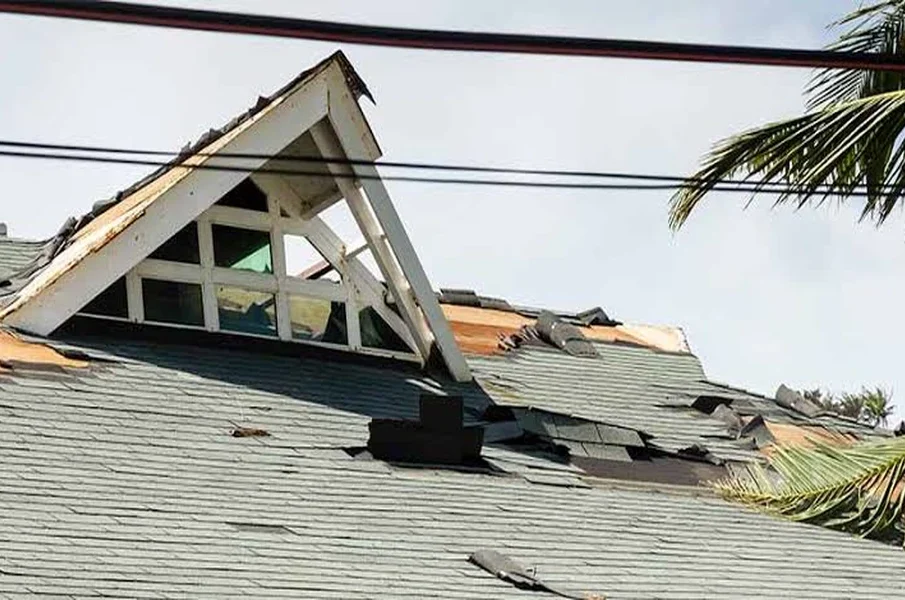
Roughly 300 miles separate Tulsa from the Texas panhandle, but that distance puts both cities inside the same brutal weather corridor. Pick the wrong roofing material here and you are not just buying a shorter lifespan. You are buying a series of repair bills, a messy insurance claim, and an attic that smells like a wet dog every spring. This guide breaks down which materials survive Oklahoma’s specific punishment, which ones quietly lose the fight, and the one decision point that separates homeowners who replace their roof once from those who do it twice.
Oklahoma Is Not a Normal Roofing Environment
Most roofing material ratings are built for average American weather. Tulsa is not average American weather. According to the NOAA Storm Events Database, Oklahoma has recorded 30,254 hailstorm events and 21,278 damaging-wind events since 1950, making it one of the most consistently storm-struck states in the country. That is not a one-generation problem. That is a structural feature of the climate.
The geography explains it. Oklahoma sits at the intersection of three storm-generating engines: cold air masses diving south from Canada, moisture streaming north from the Gulf of Mexico, and the jet stream positioned directly overhead during spring. Those forces do not take a season off. The NOAA Storm Events Database shows Oklahoma records hail reports in every month from March through August.
The practical consequence for your roof is this: any material that relies on granule coatings as its primary defense against UV and water is already fighting at a disadvantage. Hail strips granules. Repeated hail strips them faster. And in Tulsa, repeated hail is not a worst-case scenario. It is the default.
What the Lifespan Numbers Actually Mean in a Hail State
According to the National Association of Home Builders (NAHB), asphalt shingles typically last 20 to 30 years nationally, but a study by the National Roofing Contractors Association (NRCA) found that actual lifespans can vary by up to 40 percent based on local climate conditions. That 40 percent gap is the number Tulsa homeowners should be paying closest attention to. A 25-year architectural shingle, derated by 40 percent for Oklahoma’s conditions, gets you to roughly 15 years of real-world life, which is about what a standard three-tab shingle is rated for out of the box.
The NAHB’s study of life expectancy for home components, cited by the Pennsylvania Appraisers research archive, puts it plainly: asphalt shingles average 20 years nationally, fiber cement shingles about 25 years, and wood shakes around 30 years. Every one of those numbers assumes a climate that is kinder to roofing materials than northeast Oklahoma actually is.
Metal roofing and impact-rated composites sit in a different category entirely. Their defense is not a granule surface. It is the structural integrity of the panel or polymer itself, which hail can dent cosmetically but rarely compromises from a waterproofing standpoint. That distinction matters enormously when you are writing a check for a new roof.
The Oklahoma Stress Test: A Framework for Choosing Your Material
Here is a framework I call the Oklahoma Stress Test. Before settling on any roofing material, run it through four questions specific to the state’s weather reality:
- Granule dependency: Does the material rely on granules for UV protection? If yes, expect accelerated aging after hail seasons.
- Impact rating: Does it carry a UL 2218 Class 4 impact rating? Class 4 is the ceiling, and in Tulsa it should be the floor.
- Wind uplift resistance: Is it rated for straight-line wind events above 60 mph? Oklahoma thunderstorms regularly hit that threshold.
- Insurance discount eligibility: Does your insurer offer a premium reduction for Class 4 materials? Many do, and that discount can offset several years of the material cost premium.
A material that clears all four qualifies for serious consideration in this market. One that fails two or more is a liability dressed up as a budget decision.
| Material | Typical Lifespan (National) | Oklahoma-Adjusted Estimate | Class 4 Available? | Best Use Case in Tulsa |
|---|---|---|---|---|
| 3-Tab Asphalt | 15 to 20 yrs | 10 to 15 yrs | No | Avoid in high-hail zones |
| Architectural Asphalt | 25 to 30 yrs | 15 to 20 yrs | Select products only | Budget replacement, short-term hold |
| Impact-Rated Composite | 40 to 50 yrs | 35 to 45 yrs | Yes | Best value for storm-prone areas |
| Metal (Steel or Aluminum) | 40 to 70 yrs | 40 to 65 yrs | Yes (UL 2218) | Long-term hold, commercial and residential |
| Slate | 100+ yrs | 100+ yrs | Inherently resistant | Premium homes, structural load allows |
Oklahoma-adjusted estimates reflect a 30 to 40 percent lifespan reduction for repeated hail and wind exposure, consistent with NRCA climate variance data.
Reading the Signs After a Storm
Most homeowners walk the perimeter of their house after a hailstorm, see no cracked shingles or missing pieces, and conclude they are fine. That is the wrong conclusion to draw. The post-storm damage sequence for asphalt runs: granule loss, mat exposure, UV degradation, cracking, then water intrusion. A roof can be 12 to 18 months into that sequence before leaks develop.
By the time water is showing up on your ceiling, the structural damage is months old. Tulsa’s storm season, which the National Weather Service Norman office documents in monthly storm data reports, does not give you a long gap between significant events to catch deferred damage before the next storm compounds it.
“The only reliable early detection method is a professional post-storm inspection, ideally within 72 hours of a significant hail event.” – Industry guidance from storm damage roofing research, consistent across multiple professional inspector sources.
That 72-hour window is real. Insurance adjusters use radar-verified hail data tied to specific dates and locations. The longer you wait, the harder it becomes to connect visible damage to a specific event, and the weaker your claim becomes.
A Practical Post-Storm Checklist for Tulsa Homeowners
You do not need to climb on the roof yourself. You do need to be organized before you call anyone.
- Photograph your gutters immediately. Hail impact leaves circular dents in aluminum gutters that are easy for adjusters to verify and date.
- Check AC condenser fins. Bent fins are a reliable hail marker that cannot be explained away by wear.
- Inspect window screen frames for impact marks. These are often overlooked but tell a clear story about hail size.
- Pull up any radar-based hail reports for your address from the storm date. Save them as PDFs before they cycle out of free databases.
- Call a contractor for an inspection before calling your insurer. Know what you have before you file.
Choosing the right contractor matters as much as choosing the right material. A locally rooted Tulsa roofing company will understand Tulsa’s specific storm history, know which insurance adjusters operate in the area, and have experience documenting the kind of hail damage that northeast Oklahoma produces rather than the generic coastal or Midwest damage patterns that national contractors train for.
The Real Cost Calculation
Cheap roofing materials are not cheap in Oklahoma. They are expensive roofing materials paid for in installments. A homeowner who installs a standard architectural shingle roof and replaces it twice in 30 years at $12,000 per installation spends $36,000 and loses two weekends and significant stress each time. A homeowner who installs an impact-rated composite or metal roof once, at $22,000, spends 39 percent less over that same period and skips both replacement cycles entirely.
Run that math against your own home. Then run the Oklahoma Stress Test against whichever material your contractor proposes. The roof that survives this state’s weather without demanding constant attention is always the better investment, regardless of what it costs the week you sign the contract.