6 Rooms and Activities That Should Influence Your Wireless Speaker Choice
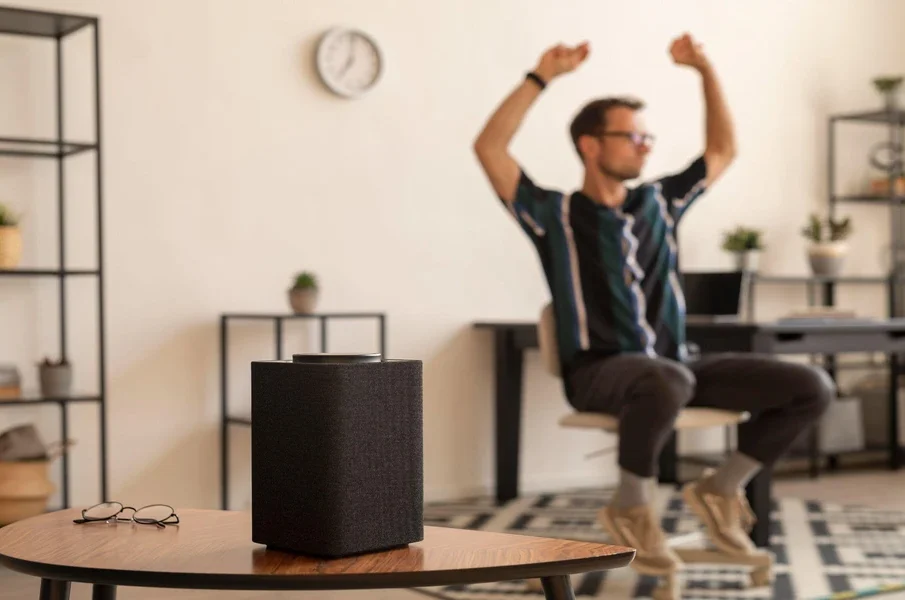
A wireless speaker can serve very different purposes depending on where you use it. A compact model may work well for personal listening, while a larger speaker may better suit a living room where several people need to hear the same audio.
When comparing wireless speakers in Singapore, consider your rooms and activities before focusing on individual specifications. The right balance of portability, sound output, connectivity and battery life depends on how the speaker will become part of your routine.
1. Living Room Entertainment
The living room often becomes a shared space for music, television and social activities. If you regularly play music for several people, consider how effectively the speaker can fill the available space without requiring you to sit directly beside it.
Think about where you would position the speaker. Its size and design should work with your existing furniture while allowing sound to reach the areas where people normally sit.
If the speaker will also connect to a television or other home equipment, check which connection options the model supports.
2. Bedroom Listening
Bedroom use may involve quieter, more personal listening. You may use a speaker while getting ready, reading or winding down at the end of the day.
A compact design can make sense when space is limited. Consider whether the speaker fits comfortably on a bedside table, shelf or other available surface.
You should also consider how easily you can control playback from your usual position. Straightforward wireless connectivity can make occasional listening more convenient.
What to Compare
Portability: Consider how often you expect to move the speaker between rooms or take it outside.
Battery life: Check whether the expected operating time matches your typical listening sessions and how frequently you want to recharge.
Connectivity: Consider whether Bluetooth meets your needs or whether you require additional connection options.
Size and output: Match the speaker’s physical size and sound output to the room where you expect to use it most.
Durability: If you plan to use the speaker outdoors, check its stated resistance to environmental exposure.
3. Kitchen and Dining Areas
Kitchen listening can involve background noise from appliances, conversations and cooking activity. A speaker needs to remain audible without becoming unnecessarily large for the available space.
Consider where you can safely position it without interfering with food preparation or daily movement. A portable model can allow you to move the speaker between the kitchen and dining area when required.
If you frequently listen while cooking, simple playback controls can also make a difference because you may not want to handle your phone repeatedly.
4. Home Gatherings
Social occasions can place greater demands on a wireless speaker. When several people gather, sound needs to reach more than one listener, so consider the size of the space and how many people typically use it.
Portability can also matter if you move the speaker between indoor areas. Bluetooth speakers in Singapore can provide a convenient option for users who want wireless playback without committing to a fixed installation.
Before choosing a model, consider how frequently you host gatherings and whether you need the speaker primarily for occasional events or regular household listening.
5. Outdoor Activities
Outdoor use changes the practical requirements. You may need a speaker that is easy to carry and designed to handle the conditions associated with your intended environment.
Check the manufacturer’s stated durability or water-resistance rating rather than assuming every portable speaker offers the same protection.
Think about how you transport the speaker as well. A model that feels manageable at home may become inconvenient if you need to carry it for longer distances.
6. Moving Between Rooms
Some households want one speaker that can follow them throughout the day. You might use it in the bedroom in the morning, move it to the kitchen later and take it into another room during the evening.
In this situation, weight, battery life and ease of pairing become particularly relevant. The speaker should be convenient enough to move without making relocation feel like a chore.
Consider whether you need consistent audio throughout several rooms or simply want a flexible speaker that you can reposition whenever your activity changes.
Match the Speaker to Its Main Role
A wireless speaker should fit the environment in which you expect to use it most. Living rooms may call for stronger room coverage, bedrooms may favour compact designs, while outdoor activities can make portability and durability more important.
When comparing wireless speakers in Singapore, identify your main rooms and activities first. Then assess sound output, connectivity, battery life and physical design according to those requirements rather than choosing features without a clear purpose.
Contact One Futureworld to discuss wireless speakers in Singapore and compare options based on your preferred rooms, activities, portability needs and listening setup.