How SOV Vessels Support 24/7 Offshore Wind Maintenance: Essential Operations Explained
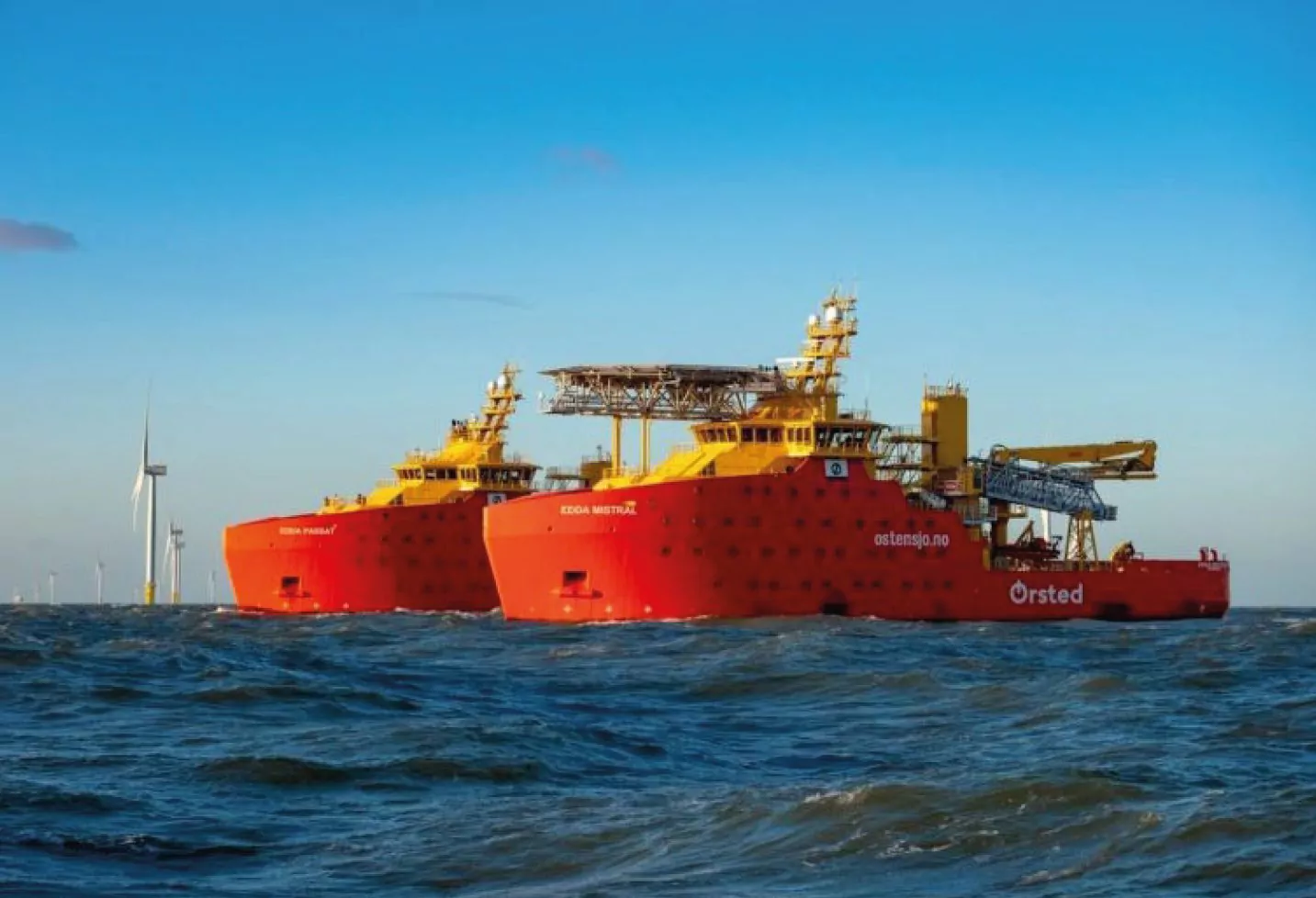
In the expanding world of renewable energy, offshore wind farms stand as towering symbols of progress, capturing powerful sea breezes to produce clean electricity for millions. However, these remote installations demand constant attention to remain operational, facing challenges from harsh weather, mechanical wear, and the unforgiving marine environment. This is where the SOV vessel comes into play—a service operation vessel specifically engineered to facilitate ongoing upkeep. An SOV vessel acts as a mobile base, allowing technicians to perform maintenance around the clock without the limitations of daily shore commutes. By stationing itself near the wind farm, the SOV vessel ensures that inspections, repairs, and preventive work can continue day and night, maximizing energy output and minimizing downtime. As offshore wind projects grow larger and farther from land, the role of the SOV vessel becomes even more vital, supporting the seamless flow of operations that keep these farms contributing to global sustainability goals. In this exploration, we delve into how an SOV vessel enables 24/7 maintenance, highlighting its features, processes, and the broader impact on offshore wind efficiency.
The Design of an SOV Vessel for Continuous Operations
The foundation of an SOV vessel’s ability to support round-the-clock maintenance lies in its thoughtful design. Built with stability in mind, an SOV vessel features a robust hull that handles rough seas, ensuring it can remain on station even during inclement weather. This endurance allows the vessel to stay positioned near wind turbines for extended periods, often weeks at a time, without needing to return to port frequently.
Key to this is the dynamic positioning system, which uses thrusters and advanced controls to hold the SOV vessel steady without anchors. This precision is crucial for safe access to turbines at any hour, whether under sunny skies or in the dark of night. Accommodations onboard cater to crews working in shifts, with comfortable cabins, mess areas, and recreational spaces that promote rest and recovery. Workshops stocked with tools and spare parts enable immediate repairs, while storage for consumables like lubricants and components supports ongoing tasks.
An SOV vessel also incorporates hybrid propulsion options, blending traditional fuels with electric power for quieter, more efficient runs. This not only reduces environmental impact but also allows for smoother operations during sensitive maintenance windows. Overall, the design transforms the SOV vessel into a self-sufficient hub, ready to respond to maintenance needs whenever they arise, fostering a reliable environment for offshore wind teams.
Safe and Efficient Personnel Transfers Day and Night
One of the primary ways an SOV vessel supports 24/7 maintenance is through its advanced transfer systems, which enable technicians to reach wind turbines safely at any time. The walk-to-work gangway stands out here—a motion-compensated bridge that extends from the SOV vessel to the turbine platform. This system adjusts automatically to wave movements, providing a stable pathway for workers to cross, even in moderate swells.
During daylight hours, transfers are straightforward, with clear visibility aiding the process. But the SOV vessel’s capabilities shine after dark, where integrated lighting and monitoring ensure secure crossings. Technicians can move with tools or small equipment, minimizing risks associated with traditional ladder climbs or basket lifts. For scenarios where the gangway isn’t suitable, the SOV vessel deploys daughter crafts—smaller boats launched quickly for access.
These methods allow maintenance teams to address issues promptly, whether it’s a routine check or an unexpected fault detected by monitoring systems. By facilitating transfers around the clock, the SOV vessel keeps operations flowing, helping wind farms maintain high availability and consistent power generation.
Onboard Facilities for Non-Stop Maintenance Support
Beyond transfers, the SOV vessel’s onboard facilities play a crucial role in enabling continuous maintenance. Equipped with dedicated control rooms, these vessels serve as coordination centers where teams monitor turbine performance in real time. Data from sensors on the wind farm feeds into systems on the SOV vessel, alerting crews to potential problems before they escalate.
Workshops provide spaces for preparing equipment or conducting minor repairs, with benches, vices, and diagnostic tools at hand. Storage areas hold a variety of spare parts, from electrical components to mechanical fittings, allowing quick swaps without waiting for shore deliveries. Medical facilities ensure any health concerns are addressed promptly, supporting crew welfare during extended deployments.
The SOV vessel often includes drone launch pads, enabling aerial inspections that complement hands-on work. These unmanned vehicles can survey blades or structures rapidly, feeding visuals back to the vessel for analysis. This integrated approach means maintenance can proceed efficiently, with teams rotating shifts to cover all hours, ensuring no opportunity for upkeep is missed.
Emergency Response and Incident Management
In the unpredictable offshore setting, an SOV vessel’s support extends to emergency response, bolstering 24/7 maintenance by providing immediate assistance when things go wrong. Positioned close to the wind farm, the vessel acts as a first responder, equipped with firefighting gear, rescue boats, and medical supplies.
Crews trained in emergency protocols can deploy quickly to handle incidents like equipment failures or personnel issues. The SOV vessel coordinates with onshore centers, relaying information and receiving guidance to manage situations effectively. This readiness minimizes disruptions, allowing routine maintenance to resume swiftly after resolutions.
By serving as an on-site control point, the SOV vessel enhances overall safety, giving technicians confidence to perform their duties knowing support is always nearby. This layer of preparedness is essential for sustaining operations in remote locations, where delays could otherwise lead to significant energy losses.
Collaboration with Advanced Technologies
Modern SOV vessels integrate with cutting-edge technologies to amplify their 24/7 maintenance support. Real-time software offers decision-making aids, analyzing weather patterns and turbine data to optimize schedules. This helps crews plan interventions during favorable conditions, extending workable hours.
Drones and remote-operated vehicles from the SOV vessel conduct inspections without human risk, covering hard-to-reach areas efficiently. AI-driven tools process data to predict maintenance needs, allowing proactive steps that prevent breakdowns. The vessel’s communication systems link seamlessly with wind farm networks, ensuring all parties stay informed.
This synergy between the SOV vessel and technology streamlines processes, making round-the-clock operations more feasible and effective in the demanding offshore environment.
The Broader Impact on Offshore Wind Efficiency
The comprehensive support from an SOV vessel translates to greater efficiency for offshore wind farms. By enabling continuous access and rapid responses, it helps maintain turbine performance, contributing to steady energy supply. This reliability is key as nations rely more on renewables to meet climate targets.
Operators benefit from reduced logistical challenges, as the SOV vessel cuts down on helicopter flights or multiple boat trips. Environmentally, fewer transits mean lower emissions, aligning with the green principles of wind energy. In essence, the SOV vessel elevates the entire operation, turning potential vulnerabilities into strengths for sustained productivity.
FAQs
What is the main function of an SOV vessel in offshore wind?
An SOV vessel primarily acts as a floating base for maintenance teams, enabling ongoing access to turbines for repairs and inspections.
How does an SOV vessel handle rough weather for maintenance?
Through stable designs and motion-compensated systems, an SOV vessel maintains position and safe transfers even in challenging conditions.
Can an SOV vessel support emergency situations?
Yes, an SOV vessel is equipped for rapid response, with tools and trained crews to manage incidents on the wind farm.
What onboard features help with maintenance on an SOV vessel?
Workshops, storage for parts, and monitoring rooms allow teams to prepare and execute tasks efficiently from the SOV vessel.
How do transfers work at night on an SOV vessel?
Lighting and compensated systems ensure safe personnel movements to turbines around the clock from an SOV vessel.
Why is dynamic positioning important for an SOV vessel?
It allows the SOV vessel to hold steady near turbines without anchors, crucial for consistent maintenance access.
Final Words
Reflecting on the capabilities of the SOV vessel reveals its quiet yet profound contribution to the renewable energy landscape. By enabling uninterrupted maintenance in the vast ocean, it bridges the gap between ambitious wind farm goals and practical reality. As offshore wind continues to power a greener future, the SOV vessel remains a steadfast partner, ensuring that every gust is captured reliably and responsibly for generations ahead.